
Physical Security Systems and Access Control: A Complete Guide for Arizona Facilities
Walk into almost any office, school, or medical center today, and you’ll notice something that would have seemed futuristic just a decade ago: keycards instead of keys, cameras that alert staff in real time, and doors that unlock only for the right person at the right moment. That’s modern physical security at work, and it’s no longer a luxury reserved for banks and government buildings.
For Arizona businesses, schools, and healthcare providers, physical security and access control have become essential parts of daily operations. Whether you’re protecting patient records, safeguarding student safety, or simply making sure the right employees are in the right areas, having a well-designed system matters more than ever.
In this guide, we’ll break down what physical security systems and access control actually involve, why they matter, and how to choose the right approach for your facility.
What Is Physical Security, Really?
Physical security refers to the measures that protect people, property, and information from physical threats, such as unauthorized entry, theft, vandalism, or workplace violence. It’s the tangible layer of protection that works alongside your cybersecurity efforts, not in place of them.
A comprehensive physical security plan typically includes:
- Access control systems that manage who can enter which areas and when
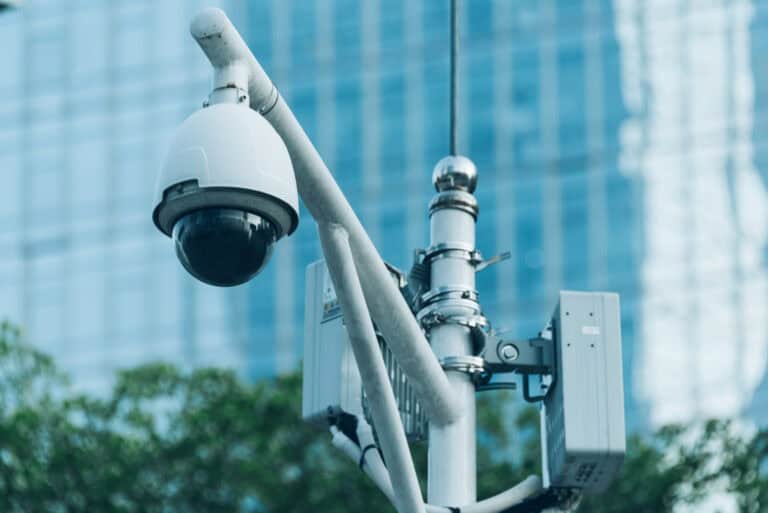
- Video surveillance to monitor activity and provide evidence when needed
- Intrusion detection to catch unauthorized entry attempts
- 24/7 monitoring so incidents don’t go unnoticed overnight or on weekends
These layers work together. A camera alone can record an incident, but it can’t stop it. Access control alone can lock a door, but it can’t tell you who tried to get in after hours. The real value comes from integrating these systems into one cohesive plan.
Understanding Access Control Systems
What Access Control Actually Does
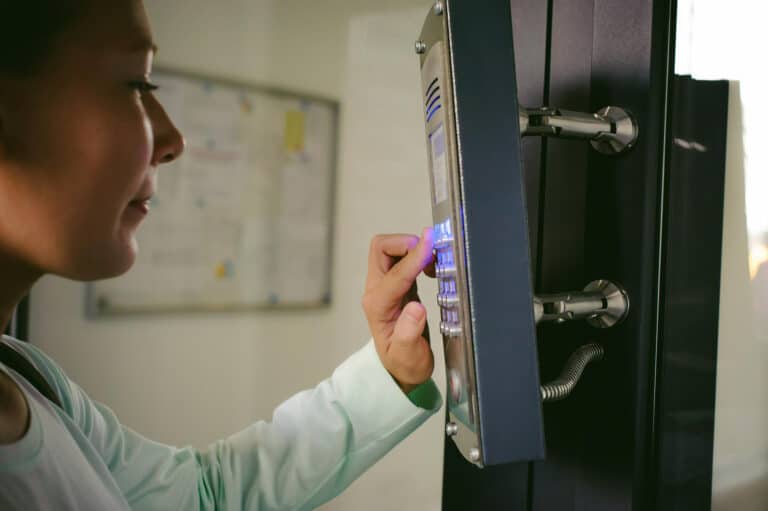
At its core, access control replaces traditional locks and keys with smarter, more flexible tools. Instead of handing out physical keys that can be lost, copied, or never returned, facilities use credentials that can be tracked, adjusted, and revoked instantly.
Common access control methods include:
- Keycards and fobs, simple, affordable, and easy to manage.
- Mobile credentials, using a smartphone as the “key,” which is increasingly popular for convenience
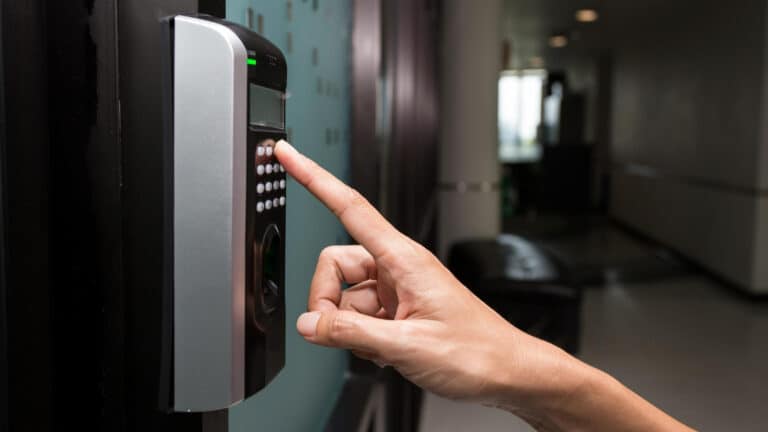
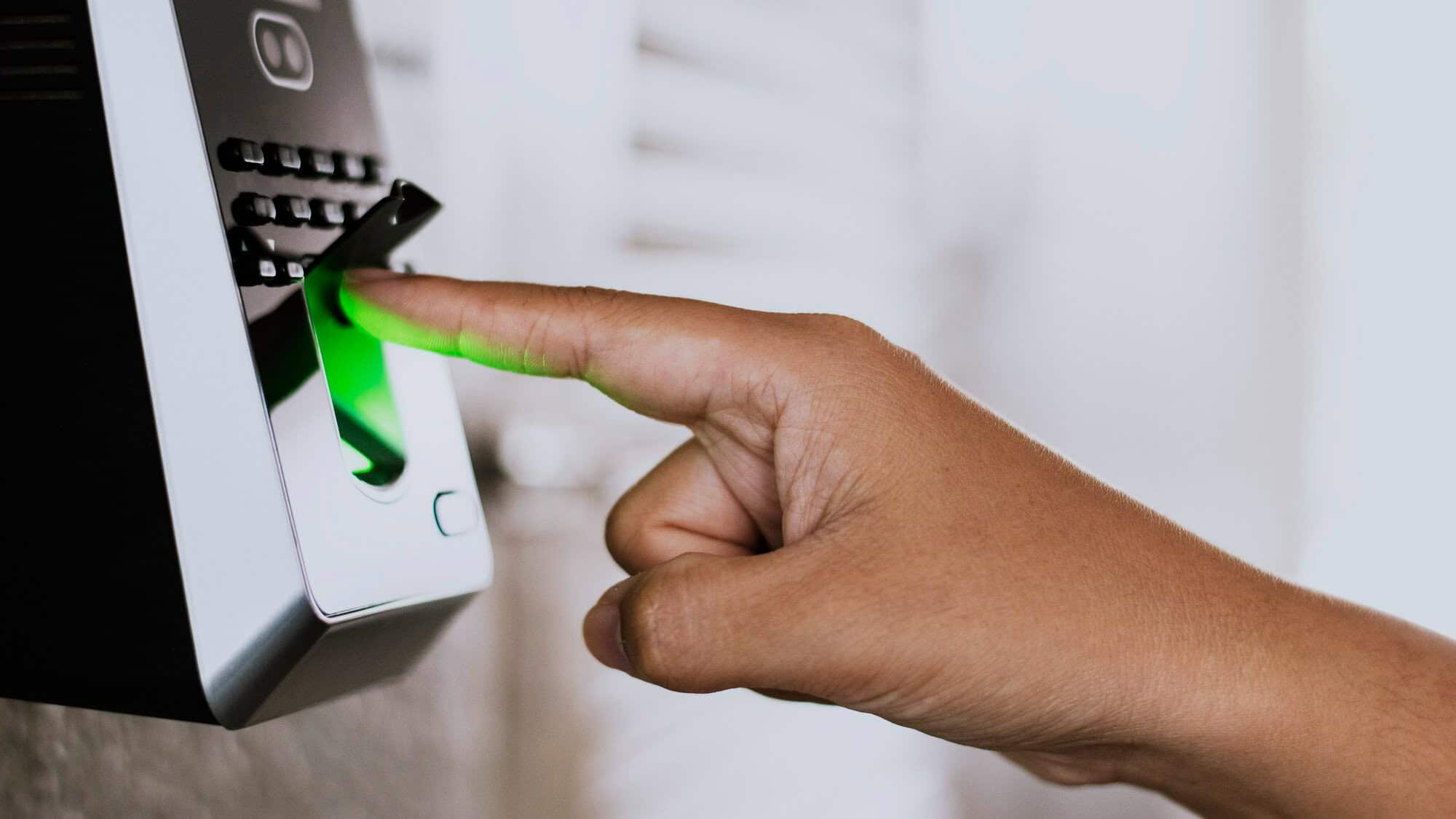
- Biometric access, fingerprint or facial recognition for high-security areas
- Multi-factor authentication, combining two or more methods for sensitive spaces like server rooms or pharmacies
Why It Matters for Your Facility
Beyond simply locking doors, access control gives facility managers real operational advantages:
- Employee tracking: know who entered a building and when, which is invaluable during an investigation or emergency
- Time-based restrictions: limit access to certain hours, so a cleaning crew’s badge doesn’t work at midnight if it shouldn’t
- Restricted area protection: keep sensitive zones like data centers, medication storage, or executive offices limited to authorized staff only
- Instant revocation: when an employee leaves the company, their access can be shut off immediately, unlike a lost key that requires a full rekey
Common Questions About Physical Security and Access Control
Do small businesses really need access control systems? Yes. Break-ins and internal theft don’t only happen to large corporations. Even a small office benefits from knowing who’s coming and going, especially if it stores equipment, inventory, or sensitive client information.
Is video surveillance enough on its own? Cameras are a valuable piece of the puzzle, but they work best paired with access control and intrusion detection. Surveillance footage helps after an incident occurs, while access control and alarms help prevent one in the first place.
Can access control systems integrate with existing security cameras and alarms? In most cases, yes. Modern physical security platforms are designed to work together through centralized management, so you can view camera feeds, door activity, and alarm status from a single dashboard rather than juggling separate systems.
What about compliance requirements, like HIPAA? Healthcare facilities in particular need to demonstrate that patient information and physical spaces are properly secured. Access control logs and monitored entry points are often a key part of meeting those requirements.
How much does a system cost? Costs vary widely based on facility size, number of entry points, and the technology chosen. A basic keycard system for a single office is far less expensive than a multi-site biometric setup for a hospital campus. A site evaluation is the best way to get an accurate picture.
Best Practices for a Stronger Security Posture
If you’re evaluating or upgrading your facility’s physical security, keep these practical tips in mind:
- Start with a site assessment. Every building has unique vulnerabilities, such as loading docks, side entrances, or shared parking structures, that a professional evaluation will identify.
- Layer your defenses. Don’t rely on a single control. Combine access control, video surveillance, and intrusion detection for a more resilient system.
- Plan for growth. Choose systems that can scale as your organization adds locations, employees, or new compliance needs.
- Train your staff. Even the best technology fails if employees prop open secured doors or share credentials.
- Review access permissions regularly. Periodically audit who has access to what. Permissions tend to accumulate over time if they aren’t checked.
- Have an emergency protocol. Know how your system responds during a lockdown, fire, or other emergency, and make sure staff are familiar with it.
Industries That Benefit Most
While every facility can benefit from stronger physical security, certain industries face heightened stakes:
- Healthcare facilities need secure access to medication storage and patient areas while supporting HIPAA compliance.
- Schools and educational campuses rely on controlled entry points and video surveillance to protect students and staff.
- Government and military facilities require the highest levels of access control, often involving multi-factor authentication and strict monitoring.
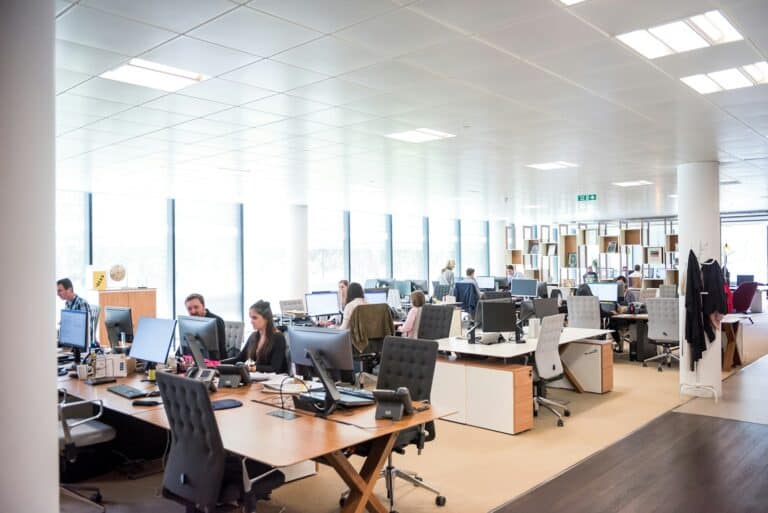
- Corporate offices and multi-tenant buildings need to manage access for multiple departments, tenants, or visitors without creating bottlenecks.
Bringing It All Together
Physical security and access control aren’t about adding more locks and cameras for the sake of it. They’re about creating a coordinated system that protects people, property, and information around the clock. The most effective setups combine access control, video surveillance, intrusion detection, and centralized monitoring into one integrated plan tailored to your facility’s specific risks.
Whether you manage a single office, a multi-site healthcare network, or a school campus, the right combination of technology and planning makes all the difference between reacting to an incident and preventing one.
Ready to Strengthen Your Facility’s Security?
MasterLink Communications has spent over 30 years helping Arizona businesses, schools, healthcare providers, and government facilities design and install physical security systems that fit their exact needs. From access control and video surveillance to intrusion detection and 24/7 monitoring, our team can help you build a security plan that grows with your organization.
Contact MasterLink Communications today to schedule your free consultation and security assessment, or learn more about our physical security and access control services. Let’s talk about what a stronger, smarter physical security system could look like for your facility.
Join Our Team
As we continue to grow, we are looking for dedicated professionals from our local community to join our team. If you’re passionate about technology and want to help us shape the future of Arizona’s workspaces, explore our current open positions and grow your career with us.
Apply for an Open Job Position