
Why Structured Voice & Data Cabling Is the Backbone of Every Security System
When people think about security systems, they usually picture cameras, keycards, and alarm panels. What they don’t picture is the network of cables running behind the walls and above the ceiling tiles that makes all of it work. Yet structured voice and data cabling is exactly that: the invisible foundation that determines whether your security technology performs reliably or constantly runs into problems.
For Arizona businesses, schools, healthcare facilities, and government buildings, cabling infrastructure isn’t just an IT concern. It directly affects how well your cameras, access control systems, and communication tools function every single day.
What Is Structured Cabling, Exactly?
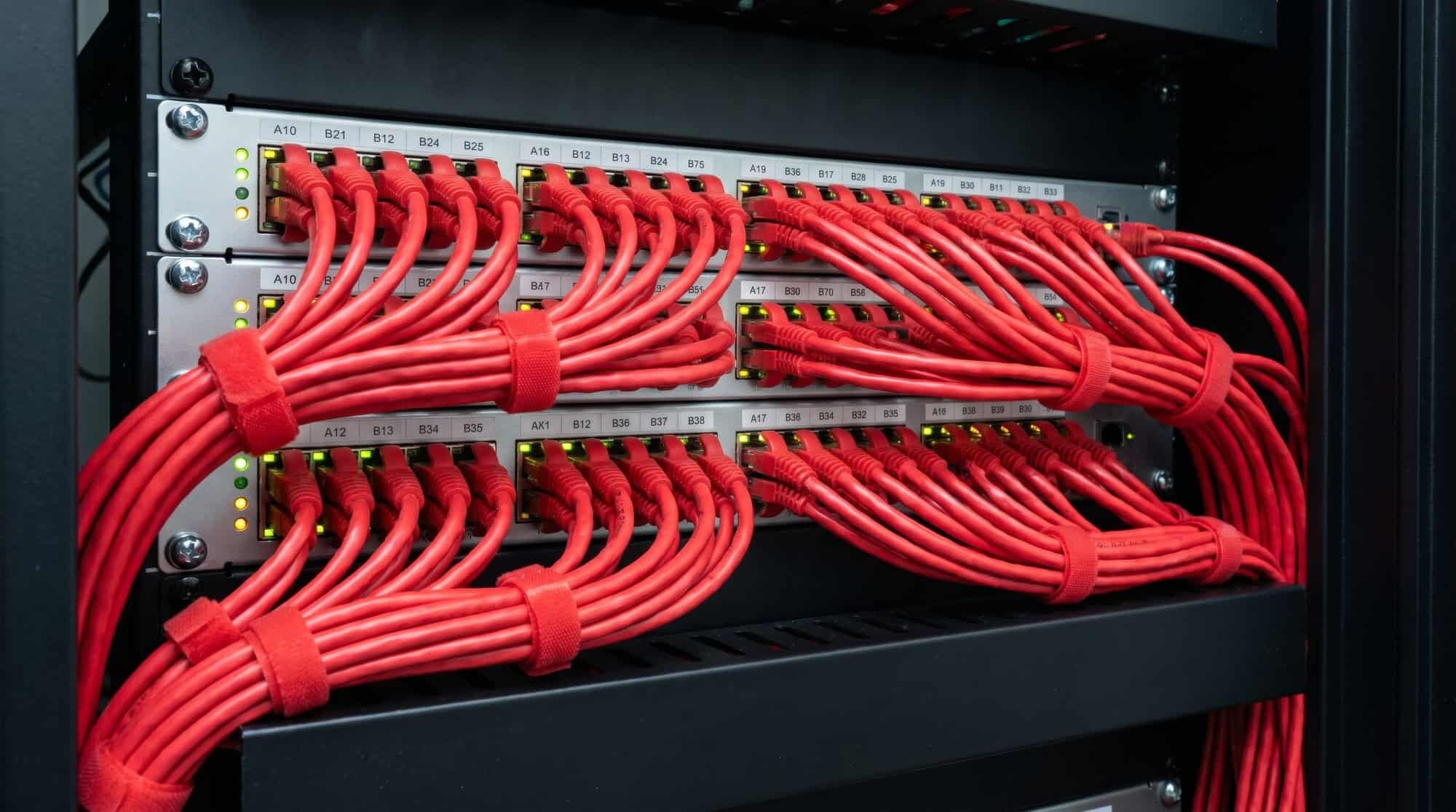
Structured cabling refers to a standardized system of cables, connectors, and equipment that supports a building’s entire network, including phones, computers, security devices, and more. Instead of a tangled mix of mismatched wiring added over the years, structured cabling follows an organized design that’s easy to maintain, troubleshoot, and expand.
A well-designed cabling system typically includes:
- Cat6/Cat6A cabling for high-speed, reliable data transmission
- Fiber optic cabling for long-distance runs and high-bandwidth needs
- Network physical security integration so cameras and access control devices connect seamlessly
- Organized pathways and labeling that make future changes simple instead of stressful
Why Cabling Quality Affects Your Security System
Cameras and Access Control Need Bandwidth
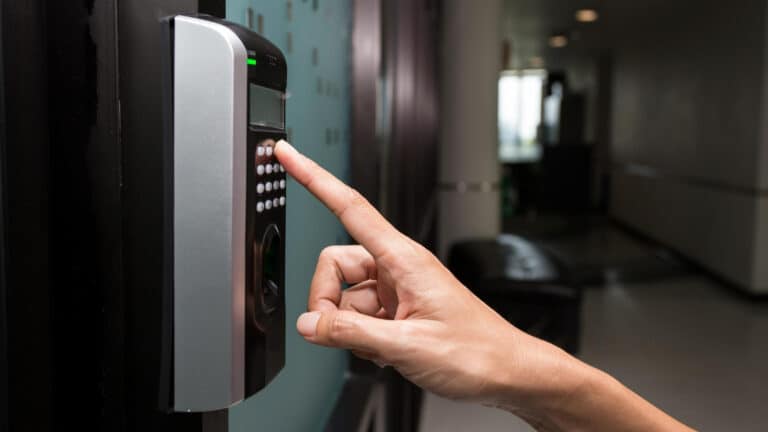
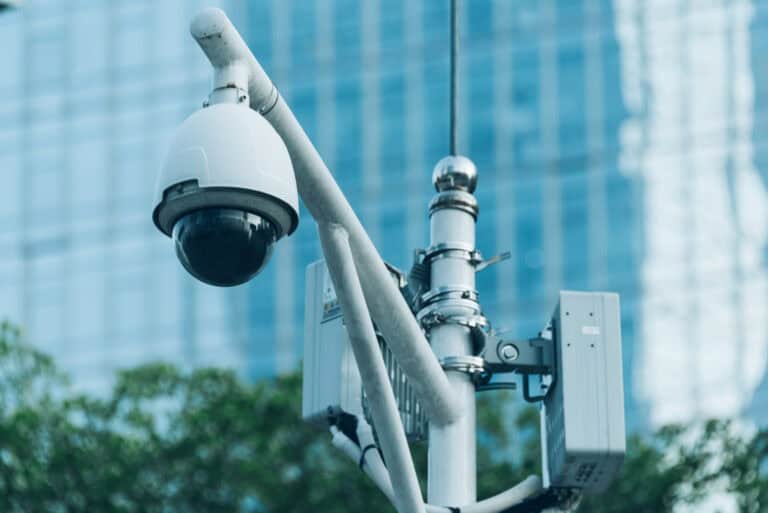
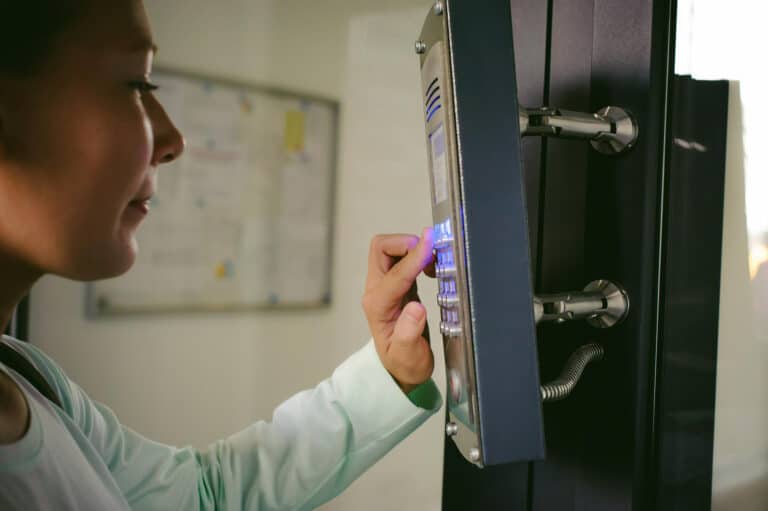
Modern security equipment isn’t just electronic, it’s data-hungry. High-resolution cameras stream continuous video. Access control panels send real-time data about every door event. If the underlying cabling can’t handle that load, you’ll see lagging footage, delayed door responses, or systems that drop offline entirely.
Poor Cabling Creates Hidden Vulnerabilities
Old or improperly installed cabling can lead to signal loss, interference, and unreliable connections. In a security context, that’s not just an inconvenience, it’s a risk. A camera that intermittently loses connection or an access control reader that lags for a few seconds can be the difference between catching an incident and missing it entirely.
Growth Requires a Scalable Foundation
Businesses expand, healthcare facilities add wings, schools renovate. If your cabling infrastructure wasn’t designed with growth in mind, every new camera or door reader becomes a bigger, more expensive project. Structured cabling built for scalability saves time and money down the road.
Voice & Data Integration Beyond Security
While cabling infrastructure is essential for physical security, it also supports the rest of your organization’s communication needs:
- Unified communications support for phone and messaging systems
- VoIP system cabling for modern phone networks
- Express installation for facilities that need service quickly
- Orphaned customer site takeover, taking over and stabilizing systems left behind by a previous provider
This dual role, supporting both security and everyday communications, is exactly why cabling deserves more attention than it usually gets.
Common Questions About Structured Cabling
Can I just add new cabling to my existing setup? Sometimes, but it depends on the condition of your existing infrastructure. A network analysis can determine whether your current cabling can be extended or whether portions need to be replaced or rejuvenated to support new equipment.
How do I know if my cabling is causing problems? Common warning signs include slow network speeds, cameras that freeze or drop feeds, access control readers that respond slowly, and frequent troubleshooting calls to your IT provider. These are often symptoms of an aging or poorly designed cabling system.
Does cabling really need to be professionally installed? Yes. Improperly run or terminated cabling can cause interference, signal degradation, and code violations. Industry-certified technicians ensure cabling is installed, tested, and documented correctly the first time.
What’s the difference between Cat6 and fiber optic cabling? Cat6/Cat6A is well-suited for most standard data and security device connections within a building. Fiber optic cabling is used for longer distances or when very high bandwidth is required, such as connecting buildings across a large campus.
Best Practices for a Reliable Cabling Infrastructure
- Get a professional site evaluation before installing new security equipment. Don’t assume your existing cabling can handle it.
- Document everything. Detailed documentation makes future troubleshooting and expansion far easier.
- Test and certify installations. Thorough testing catches problems before they affect your security systems.
- Plan for future technology. Install cabling that supports tomorrow’s bandwidth needs, not just today’s.
- Address orphaned or outdated systems quickly. If a previous provider left your infrastructure incomplete or poorly documented, get it evaluated sooner rather than later.
The Bottom Line
Your security system is only as strong as the infrastructure behind it. Cameras, access control, and monitoring tools all depend on cabling that’s properly designed, installed, and tested. Investing in structured voice and data cabling isn’t just an IT upgrade; it’s a critical part of making sure your entire security ecosystem performs the way it’s supposed to.
Ready to Strengthen Your Infrastructure?
MasterLink Communications has spent over 30 years designing and installing structured cabling systems for Arizona businesses, schools, healthcare facilities, and government buildings. Our certified technicians ensure your network can fully support your physical security, video surveillance, and communication needs, now and as you grow.
Contact MasterLink Communications today to schedule a free network analysis, or learn more about our voice and data cabling services. Let’s make sure your infrastructure is ready for whatever comes next.