
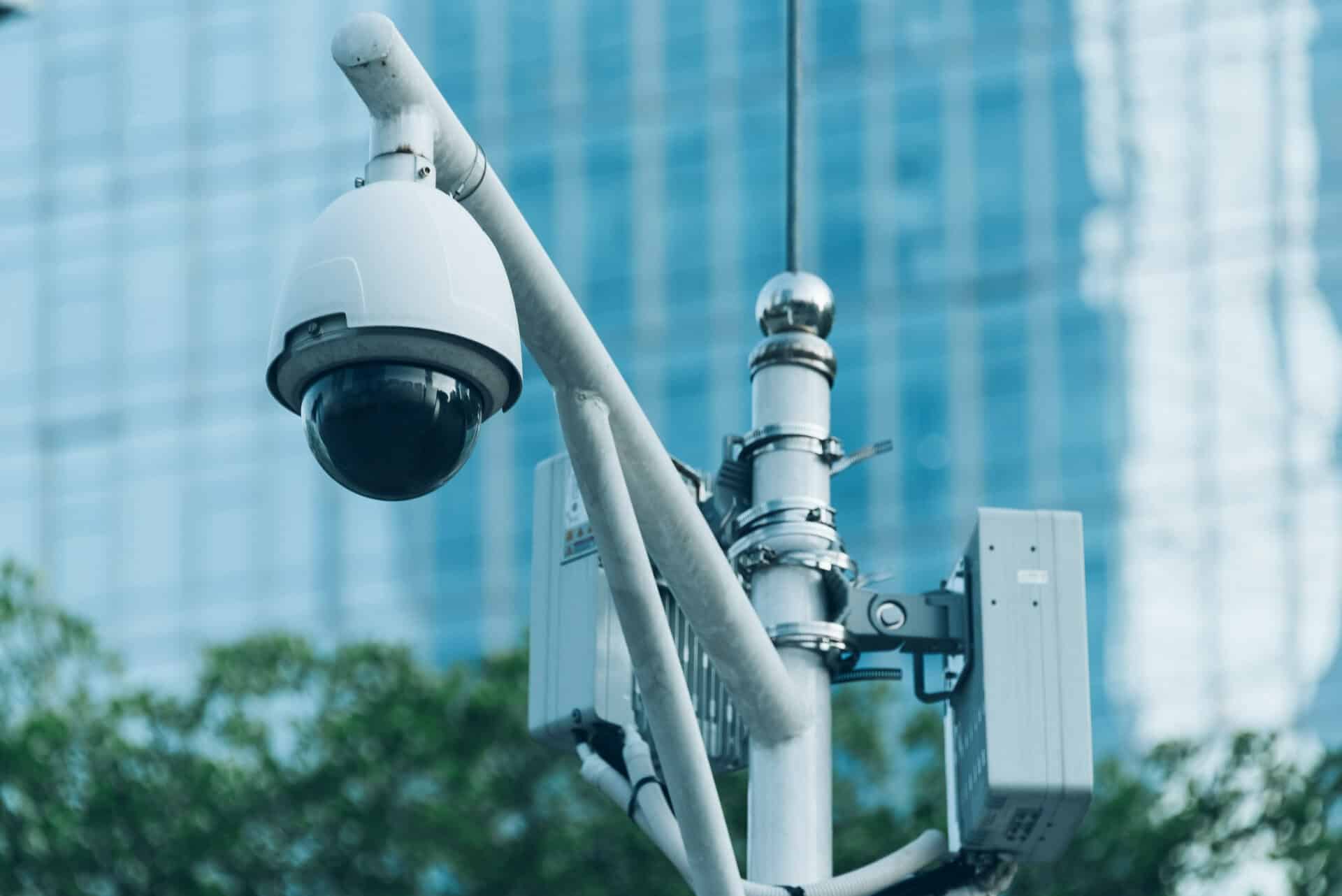
Every business owner has had the thought at some point: “I should really get cameras installed.” But once you start researching video surveillance systems, it becomes clear there’s a lot more to it than mounting a camera above the front door. Resolution, storage, integration with access control, monitoring, the options can feel overwhelming.
For Arizona businesses, schools, healthcare facilities, and government buildings, understanding what modern surveillance technology can actually do (and where its limits are) makes it much easier to design a system that fits your facility instead of overpaying for features you don’t need.
What Video Surveillance Actually Does
At its core, video surveillance serves two main purposes: deterrence and documentation. Visible cameras discourage bad behavior before it happens, and recorded footage provides a clear record of what occurred if something does happen.
Modern surveillance systems typically include:
- High-resolution cameras for clear, usable footage
- Remote viewing so you can check in from a phone or computer anywhere
- Motion-based recording that captures activity without filling storage with empty hallway footage
- Integration with access control and alarms for a complete security picture
What Cameras Can Do Well
Provide Clear Evidence After an Incident
When something happens, a theft, a break-in, a workplace dispute, footage gives you an objective record. This is often the single most valuable use of surveillance: not stopping the event in real time, but having reliable evidence afterward.
Monitor Multiple Areas at Once
A well-placed camera system lets one person (or a monitoring service) keep an eye on an entire facility, from parking lots to hallways to loading docks, without physically patrolling every area.
Support Compliance and Liability Protection
For healthcare facilities in particular, surveillance combined with access control helps demonstrate that patient areas and sensitive spaces are properly monitored, which can matter for both compliance and liability purposes.
Deter Opportunistic Crime
Visible cameras alone reduce the likelihood of certain incidents. Someone looking for an easy target is less likely to choose a building with obvious, well-placed surveillance.
What Cameras Can’t Do
It’s just as important to understand the limits.
- Cameras don’t physically stop anyone. A camera records; it doesn’t lock a door or intervene. That’s why surveillance works best paired with access control and intrusion detection, not as a standalone solution.
- Footage is only useful if someone reviews it, or an alert triggers. Passive recording with no monitoring or motion alerts means incidents can go unnoticed for hours or days.
- Poor placement creates blind spots. A camera pointed at the wrong angle, or with obstructed sightlines, won’t capture what actually matters.
- Low-quality footage isn’t always useful evidence. Grainy or poorly lit video can make it difficult to identify a person or read a license plate, even if the incident was technically “recorded.”
Common Questions About Video Surveillance
How many cameras does my facility actually need? It depends on the size of your building, number of entry points, and areas you consider higher risk (cash handling areas, storage rooms, parking lots). A site evaluation is the best way to map out coverage without over- or under-installing.
Do I need 24/7 monitoring, or is recording enough? That depends on your goals. Recording alone works well for after-the-fact investigations. If you want someone actively watching for real-time incidents, especially overnight or at unmanned facilities, 24/7 monitoring adds a meaningful layer of protection.
Can surveillance systems work with our existing access control setup? In most cases, yes. Modern platforms are built to integrate camera feeds, door activity, and alarm status into a single, centralized dashboard rather than requiring separate systems for each.
How long is footage typically stored? Storage duration varies based on system design and facility needs, often ranging from a couple of weeks to several months. Higher-risk facilities or those with specific compliance needs may require longer retention periods.
Will more cameras always mean better security? Not necessarily. Strategic placement matters more than sheer quantity. A handful of well-positioned cameras covering entry points and high-risk areas is often more effective than many cameras with overlapping, low-value coverage.
Best Practices for Video Surveillance
- Prioritize entry points and high-risk areas first. Main entrances, loading docks, and cash handling areas typically need coverage before secondary spaces.
- Choose resolution based on purpose. Areas where identifying faces or license plates matters need higher-resolution cameras than general hallway monitoring.
- Pair cameras with proper lighting. Even the best camera struggles in poor lighting conditions.
- Integrate with access control and alarms. A connected system gives you a far more complete picture than standalone cameras.
- Review footage retention policies regularly. Make sure your storage duration matches your facility’s actual needs and any compliance requirements.
- Don’t set it and forget it. Periodically check camera angles, lens cleanliness, and system health to ensure everything is functioning as expected.
Bringing It All Together
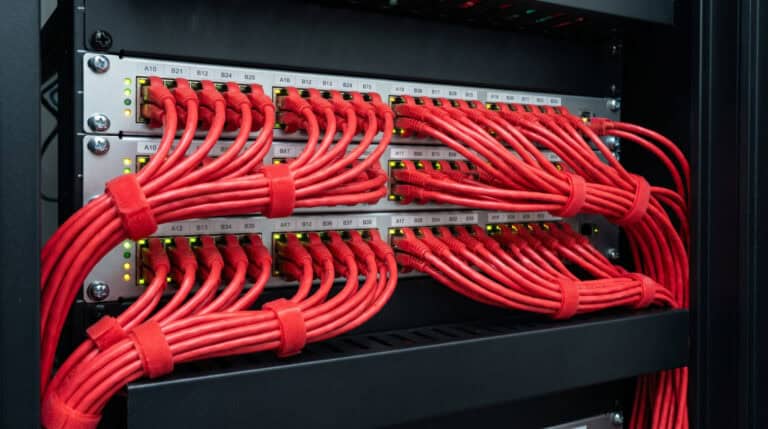
Your security system is only as strong as the infrastructure behind it. Cameras, access control, and monitoring tools all depend on cabling that’s properly designed, installed, and tested. Investing in structured voice and data cabling isn’t just an IT upgrade; it’s a critical part of making sure your entire security ecosystem performs the way it’s supposed to.
MasterLink Communications has worked with educational facilities across Arizona for over 30 years, providing structured cabling and security solutions designed specifically for the unique needs of school campuses.
Ready to Design the Right Surveillance System for Your Facility?
MasterLink Communications has spent over 30 years helping Arizona businesses, schools, healthcare providers, and government facilities design integrated physical security and video surveillance systems built around their actual risks, not a one-size-fits-all package.
Contact MasterLink Communications today to schedule your free security assessment, or learn more about how our surveillance, access control, and monitoring solutions work together to protect what matters most.